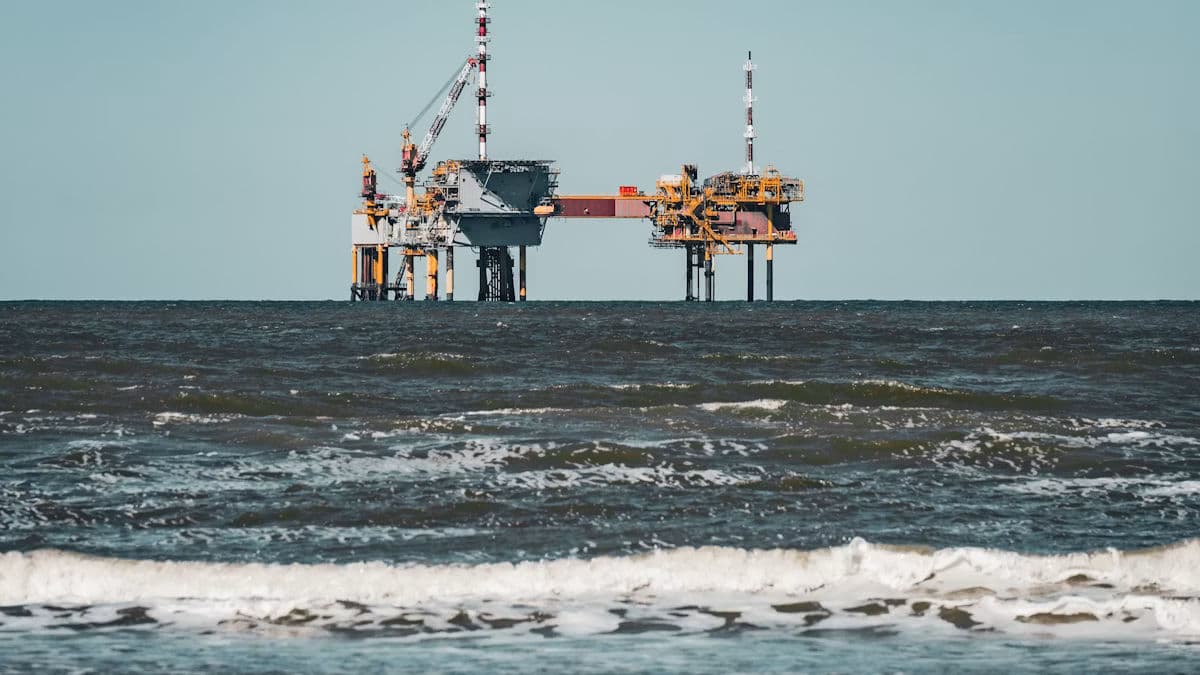
Xây dựng đường ống có các yêu cầu MTC đường ống nghiêm ngặt nhất trong ngành kim loại. Sự kết hợp giữa vận chuyển chất lỏng nguy hiểm trên quãng đường dài, điều kiện lắp đặt ở vùng xa, sự giám sát quy định trên nhiều khu vực pháp lý, và hậu quả thảm khốc của một sự cố có nghĩa là các yêu cầu tài liệu ống dẫn được quy định chi tiết, cụ thể, và được thực thi một cách có hệ thống.
Một khoảng trống mà trên một dự án chế tạo thông thường chỉ dẫn đến thông báo giữ lại (một nhiệt độ thử Charpy bị thiếu, một dấu khắc số heat vắng mặt) có thể làm dừng hoàn toàn việc chế tạo cụm ống trên một dự án đường ống, bởi vì hậu quả hạ nguồn của ống không tuân thủ trong một đường ống chôn ngầm hoặc dưới biển nghiêm trọng đến mức không có cơ quan kiểm tra nào chấp thuận miễn trừ mà không có thử nghiệm lại toàn diện.
Hướng dẫn này bao gồm các yêu cầu tài liệu đầy đủ cho MTC ống dẫn đường ống theo các tiêu chuẩn mà các dự án đường ống gặp phải nhiều nhất: API 5L cho sản xuất trên bờ và ngoài khơi, DNV-ST-F101 cho các ứng dụng dưới biển, và ASME B31.8 cho hệ thống vận chuyển khí. Hướng dẫn cũng bao gồm các vấn đề cụ thể phát sinh đối với đường ống dịch vụ chua (sour-service) và đối với vật liệu được cung cấp qua nhà phân phối thay vì trực tiếp từ nhà máy.
API 5L: Nền Tảng của Chứng Nhận Ống Dẫn Đường Ống
API 5L (Đặc Tính Kỹ Thuật cho Ống Dẫn) là đặc tính kỹ thuật sản phẩm thống trị toàn cầu cho ống thép dùng trong dịch vụ đường ống. Nó được sử dụng làm đặc tính kỹ thuật mua sắm cho phần lớn các đường ống trên bờ và ngoài khơi trên toàn thế giới, bao gồm tất cả các ứng dụng ASME B31.8 (Vận Chuyển Khí) và hầu hết các ứng dụng ASME B31.4 (Vận Chuyển Chất Lỏng).
API 5L định nghĩa hai Mức Đặc Tính Kỹ Thuật Sản Phẩm (Product Specification Level) với các yêu cầu MTC khác biệt đáng kể:
PSL 1 là đặc tính kỹ thuật thương mại cơ bản. MTC phải ghi lại: phân tích hóa học heat (C, Mn, P, S, tối thiểu), đường kính ngoài và độ dày thành, giới hạn chảy, độ bền kéo, và độ giãn dài. Thử nghiệm va đập CVN không bắt buộc theo PSL 1 trừ khi được đặt hàng cụ thể. PSL 1 phù hợp cho các đường ống trên bờ dịch vụ nhẹ trong môi trường không chua, hậu quả tương đối thấp.
PSL 2 là bắt buộc đối với các đường ống ngoài khơi, đường ống dịch vụ chua, đường ống vận chuyển áp suất cao, và bất kỳ ứng dụng nào yêu cầu mức đảm bảo chất lượng cao hơn. PSL 2 bổ sung: hóa học đầy đủ (15+ nguyên tố), độ tương đương carbon (cả công thức IIW CE và Pcm cho các mác thép áp dụng), thử nghiệm va đập Charpy V-notch tại nhiệt độ quy định, Thử Nghiệm Xé Trọng Rơi (DWTT) cho các mác thép từ X52 trở lên trong ống có độ dày thành ≥ 19,1mm, thử nghiệm áp suất thủy tĩnh, và tài liệu phương pháp NDE. Đối với các mác thép dịch vụ chua (từ X52MS đến X80MS), kết quả thử nghiệm HIC và SSC còn được yêu cầu bổ sung.

Các Trường Dữ Liệu MTC Bắt Buộc PSL 2: Danh Sách Đầy Đủ
Để một MTC API 5L PSL 2 hoàn chỉnh về mặt kỹ thuật, mọi trường sau đây phải có mặt và trong phạm vi đặc tính kỹ thuật:
Phân Tích Hóa Học:
- Carbon (C): theo phân tích heat và phân tích sản phẩm
- Mangan (Mn)
- Phốt pho (P): lưu ý các mác thép chua yêu cầu ≤ 0,020%
- Lưu huỳnh (S): lưu ý các mác thép chua yêu cầu ≤ 0,003%
- Silic (Si)
- Niobi (Nb), Vanadi (V), Titan (Ti): cả ba, không chỉ những nguyên tố có mặt với số lượng đo được
- Đồng (Cu), Niken (Ni), Crom (Cr), Molypden (Mo), Bo (B), Nhôm (Al), Nitơ (N)
Công Thức Độ Tương Đương Carbon:
- CE (công thức IIW): C + Mn/6 + (Cr+Mo+V)/5 + (Ni+Cu)/15
- Pcm (Ito-Bessyo): C + Si/30 + (Mn+Cu+Cr)/20 + Ni/60 + Mo/15 + V/10 + 5B
- Cả hai phải xuất hiện đối với các mác thép mà Pcm là thông số hàn quyết định (thường là các mác thép cường độ cao hơn X60 trở lên trong dịch vụ chua)
Tính Chất Cơ Học:
- Giới Hạn Chảy Tối Thiểu Quy Định (SMYS): giá trị chảy thực tế, cả phương pháp EUT 0,5% và phương pháp offset 0,2% khi áp dụng
- Độ Bền Kéo Cực Hạn (UTS): giá trị thực tế; tỷ lệ chảy trên kéo không được vượt quá 0,93 đối với PSL 2
- Độ giãn dài: tối thiểu 21% đối với PSL 2 (tùy thuộc vào mác thép)
Thử Nghiệm Va Đập Charpy V-Notch:
- Năng lượng hấp thụ trung bình (bắt buộc) và các giá trị mẫu thử riêng lẻ
- Nhiệt độ thử nghiệm: phải khớp với nhiệt độ thiết kế tối thiểu của đường ống
- Kích thước và hướng mẫu thử (ngang trục ống đối với mẫu thử thân ống; dọc trục đối với mẫu thử mối hàn trên ống SAW)
- Vị trí thử nghiệm: thân ống (tại vị trí 12, 3, hoặc 9 giờ theo API 5L)
- Đối với ống hàn hồ quang chìm (SAW): kết quả CVN riêng biệt cho kim loại mối hàn, HAZ, và kim loại nền
Thử Nghiệm Xé Trọng Rơi (DWTT):
- Bắt buộc cho các mác thép từ X52 trở lên khi độ dày thành ≥ 19,1 mm (0,750 in)
- Phần trăm diện tích xé tại nhiệt độ thử nghiệm quy định
- Phải đạt phần trăm diện tích xé tối thiểu theo Bảng E.8 của API 5L (thường là trung bình tối thiểu 85%)
Kích Thước và Sản Xuất:
- Đường kính ngoài (OD) và độ dày thành (WT) tại các vị trí đo
- Chiều dài ống
- Loại ống (liền mạch / EW / SAW / DSAW / LSAW)
- Phương pháp NDE mối hàn dọc và tiêu chuẩn chấp nhận (đối với ống hàn)
Thử Nghiệm Thủy Tĩnh:
- Áp suất thử nghiệm và thời gian thử nghiệm
- Rò rỉ: không có
Yêu Cầu Truy Xuất Nguồn Gốc Đường Ống Dưới Biển DNV-ST-F101
Đối với các đường ống ngoài khơi và dưới biển được chứng nhận theo cấp DNV, DNV-ST-F101 (Hệ Thống Đường Ống Ngầm Dưới Biển) bổ sung các yêu cầu truy xuất nguồn gốc trên nền tảng API 5L.
Đủ điều kiện nhà máy. Nhà máy sản xuất ống phải được đủ điều kiện trước theo DNV-ST-F101 Phụ Lục A trước khi có thể đặt hàng ống cho dự án. Việc đủ điều kiện nhà máy bao gồm một cuộc kiểm toán hệ thống quản lý chất lượng của nhà máy và một đơn hàng ống đủ điều kiện với thử nghiệm được chứng kiến bởi bên thứ ba. Một nhà máy chưa được đủ điều kiện trước không thể cung cấp ống được DNV chấp thuận bất kể MTC hoàn chỉnh đến đâu.
Loại chứng chỉ EN 10204. DNV-ST-F101 yêu cầu EN 10204 3.2 với chữ ký đồng thuận của giám định viên DNV cho toàn bộ ống dẫn. MTC phải mang hai chữ ký: đại diện QA được ủy quyền của nhà máy và giám định viên DNV người đã chứng kiến thử nghiệm. Một tài liệu chỉ có chữ ký của nhà máy, ngay cả khi được ghi nhãn 3.2, không được coi là tuân thủ.
Tính liên tục của chuỗi số heat. DNV yêu cầu số heat phải truy xuất được từ heat thép ban đầu qua: quá trình sản xuất cuộn hoặc tấm (đối với ống ERW hoặc SAW), tạo hình và hàn ống, phủ lớp bảo vệ (nếu áp dụng), và đến dấu khắc trên thân ống thành phẩm. Bất kỳ điểm nào trong chuỗi này mà số heat không thể xác nhận đều yêu cầu ống phải được nhận dạng lại bằng PMI hoặc đánh dấu lại dưới điều kiện có chứng kiến.
NDE sau hàn trên ống SAW và DSAW. Đường hàn của ống hàn hồ quang chìm phải được kiểm tra 100% bằng UT (và tùy chọn thêm RT). Kết quả phải được ghi lại với trình độ chuyên môn của người kiểm tra, tiêu chuẩn hiệu chuẩn, và tiêu chí chấp nhận theo DNV-ST-F101 Phụ Lục C.
Tài Liệu Đường Ống Vận Chuyển Khí ASME B31.8
ASME B31.8 bao gồm thiết kế, chế tạo, lắp đặt, kiểm tra, và thử nghiệm các đường ống vận chuyển khí. Đối với vật liệu được sử dụng trong hệ thống ASME B31.8, các yêu cầu MTC bắt nguồn từ API 5L (mà B31.8 tham chiếu trực tiếp cho vật liệu ống dẫn) cộng với các điều khoản truy xuất nguồn gốc riêng của B31.8.
ASME B31.8 Mục 805.3 yêu cầu hồ sơ phải được lưu giữ để chứng minh rằng vật liệu đã được mua sắm, lắp đặt, và thử nghiệm phù hợp với đặc tính kỹ thuật áp dụng. Đối với các đường ống ở khu vực Loại 1 và 2 trong dịch vụ không chua, chứng chỉ PSL 1 với dữ liệu hóa học và cơ học cơ bản đáp ứng yêu cầu này. Đối với các đường ống ở khu vực Loại 3 và 4 (mật độ dân số cao hơn, hậu quả cao hơn), và đối với bất kỳ chỉ định dịch vụ chua hoặc khu vực hậu quả cao (HCA) nào, tài liệu nghiêm ngặt hơn được các cơ quan quản lý và nhà vận hành đường ống mong đợi.
Đối với các đường ống tại Hoa Kỳ thuộc DOT 49 CFR Phần 192 (khí) hoặc 49 CFR Phần 195 (chất lỏng), nhà vận hành phải lưu giữ hồ sơ hỗ trợ cho việc tính toán áp suất vận hành tối đa cho phép (MAOP). Đối với các đường ống mới, MTC là một phần của hồ sơ này. Đối với các đường ống cũ thiếu hồ sơ, 49 CFR yêu cầu thử nghiệm áp suất đến một hệ số thử nghiệm cụ thể để thay thế cho hồ sơ vật liệu bị thiếu, điều này tốn kém và gây gián đoạn hơn nhiều so với việc chỉ đơn giản duy trì MTC trong suốt vòng đời đường ống.
Yêu Cầu Thử Nghiệm Dịch Vụ Chua và HIC
Đối với các đường ống vận chuyển chất lỏng có H2S vượt ngưỡng dịch vụ chua (áp suất riêng phần H2S > 0,05 psia / 0,3 kPaa), NACE MR0175 / ISO 15156 điều chỉnh các yêu cầu vật liệu, và MTC phải ghi lại:
- Hàm lượng lưu huỳnh ≤ 0,003% (được xác minh bằng phân tích sản phẩm, không chỉ phân tích heat)
- Độ tương đương carbon (công thức Pcm): giá trị và kết quả được ghi lại
- Độ cứng ≤ 22 HRC đối với thân ống thép carbon (248 HV10 / 237 HB)
- Kết quả thử nghiệm HIC theo NACE TM0284: Tỷ Lệ Chiều Dài Vết Nứt (CLR), Tỷ Lệ Độ Dày Vết Nứt (CTR), và Tỷ Lệ Nhạy Cảm Vết Nứt (CSR) cho mỗi mẫu thử tại tiêu chí chấp nhận quy định
- Kết quả thử nghiệm SSC theo NACE TM0177 Phương Pháp A khi được yêu cầu bởi đặc tính kỹ thuật kỹ thuật
Kết quả thử nghiệm HIC thường được cung cấp trên một báo cáo thử nghiệm bổ sung thay vì tài liệu MTC chính. Báo cáo bổ sung phải được đính kèm chính thức vào hoặc tham chiếu trên MTC với một tham chiếu chéo đến số heat và số đơn hàng ống. Một MTC PSL2 cho mác thép dịch vụ chua không bao gồm hoặc tham chiếu kết quả HIC là không hoàn chỉnh, các giá trị hóa học và tính chất cơ học một mình không thiết lập được sự phù hợp cho dịch vụ chua.
Ống Được Cung Cấp Qua Nhà Phân Phối: Vấn Đề Chuỗi Giám Sát
Trên nhiều dự án đường ống, ống được cung cấp qua nhà phân phối hoặc thương nhân thay vì trực tiếp từ nhà máy. Điều này tạo ra một thách thức tài liệu chuỗi giám sát trở nên nghiêm trọng khi dự án yêu cầu chứng chỉ EN 10204 3.2 hoặc khi nhà phân phối đã chia một lô heat thành nhiều lần giao hàng.
EN 10204 không cung cấp cơ chế để nhà phân phối tái phát hành hoặc tái chứng nhận chứng chỉ nhà máy. Chứng chỉ nhà máy gốc là tài liệu EN 10204 hợp lệ duy nhất cho heat đó. Khi một nhà phân phối giao một phần của đơn hàng ống, chẳng hạn 30 ống từ một lô heat 100 ống, họ phải cung cấp một bản sao của chứng chỉ nhà máy gốc cộng với một hồ sơ truy xuất nguồn gốc vật liệu/giao hàng ghi lại số lượng và số hiệu ống được phân bổ cho lần giao hàng cụ thể đó. Hồ sơ giao hàng không phải là tài liệu EN 10204; nó là một hồ sơ truy xuất nguồn gốc bổ sung. Cả hai đều cần thiết.
Nếu nhà phân phối phát hành chứng chỉ riêng của mình thay cho chứng chỉ nhà máy gốc, đặc biệt nếu được ghi nhãn với tên công ty riêng của họ và được ký bởi nhân viên riêng của họ, đây không phải là một chứng chỉ EN 10204 hợp lệ, bất kể nó ghi gì. Giám định viên DNV, Tổ Chức Được Chỉ Định (Notified Body), và Thanh Tra Viên Được Ủy Quyền ASME đều sẽ từ chối nó.
TestCert Giải Quyết Sự Phức Tạp của MTC Đường Ống Như Thế Nào
Việc rà soát MTC đường ống rất khắt khe vì danh sách trường dữ liệu dài (15+ nguyên tố hóa học cộng với các công thức CE và Pcm), việc xác thực phụ thuộc vào mác thép (X65 có giới hạn khác với X52), các trường dữ liệu bổ sung (kết quả HIC, DWTT, NDE mối hàn SAW) thường nằm trong các tài liệu riêng biệt phải được liên kết chính thức, và yêu cầu loại EN 10204 bổ sung thêm một bước xác minh chữ ký đồng thuận.
TestCert xử lý xác thực API 5L PSL2 một cách bản địa: trích xuất toàn bộ 15+ nguyên tố hóa học, cả hai công thức CE, giá trị trung bình và giá trị riêng lẻ CVN, diện tích xé DWTT, và áp suất thử nghiệm thủy tĩnh từ mỗi MTC bất kể định dạng hay ngôn ngữ của nhà máy. Các giá trị hóa học được so sánh tự động với bảng mác thép PSL2, và phép tính Pcm được xác minh độc lập nếu chỉ có các giá trị nguyên tố riêng lẻ được cung cấp. Đối với các mác thép dịch vụ chua, hệ thống nhắc yêu cầu tham chiếu báo cáo thử nghiệm bổ sung HIC nếu chưa được đính kèm.
Xác minh loại EN 10204 (xác nhận rằng một tài liệu được khai báo là 3.2 mang cả chữ ký QA của nhà máy và chữ ký đồng thuận của bên thứ ba có thể nhận dạng) là một bước xác thực tích hợp sẵn. Các chứng chỉ chỉ mang một chữ ký mặc dù được khai báo 3.2 sẽ bị đánh dấu để xem xét trước khi bất kỳ ống nào vào hàng chờ hàn.
Toàn bộ gói MTC đường ống (chứng chỉ API 5L gốc, phụ lục HIC, báo cáo DWTT, báo cáo NDE SAW, hồ sơ thử nghiệm thủy tĩnh, và xác minh loại EN 10204) được lưu trữ dưới dạng một bộ liên kết, có thể truy xuất theo số heat trong vài giây khi giám định viên DNV hoặc thanh tra viên khách hàng yêu cầu. Đặt lịch demo để xem xác minh MTC đường ống trong TestCert tại testcert.io.