Çoğu metal ticareti operasyonu (metal tacirlerinin giderek daha fazla ihtiyaç duyduğu dijital dönüşüme henüz geçmemiş olanlar) fabrika test belgelerini on beş yıl önce yaptıkları gibi yönetiyor: sertifikalar e-posta gelen kutularına düşer, aya veya müşteriye göre düzenlenmiş paylaşılan sürücü klasörlerine dosyalanır ve bir müşteri onlara ihtiyaç duyduğunda e-postada arama yaparak veya klasör ağaçlarında gezinerek bulunur. Her şeyin nerede olduğunu bilen kişi firmada on iki yıldır çalışıyor ve kimsenin açıkça konuşmadığı bir iş sürekliliği riski yaratacak şekilde vazgeçilmez hale gelmiş durumda.
Bu bir eleştiri değil, işlevsel bir işletmenin mevcut araçlara nasıl uyum sağladığının bir tasviri. E-posta iletişim katmanıydı. Paylaşılan sürücüler dosyalama katmanıydı. Hacimler daha düşükken ve müşterilerin belge beklentileri daha az sıkı olduğunda bu kombinasyon işe yarıyordu. Hâlâ işe yarıyor, işletmenin işlevini sürdürmesi anlamında. Ama artık iyi işlemiyor ve boşluklar belirli, maliyetli şekillerde görünür hale geliyor.
E-posta ve Paylaşılan Sürücüler Ölçekte Neden Başarısız Olur
E-posta tabanlı sertifika yönetiminin başarısızlık biçimleri öngörülebilir ve farklı büyüklükteki operasyonlarda tutarlıdır. Bunlar bireysel hatalardan kaynaklanmaz; ölçeklenmeyen bir sürecin yapısal özellikleridir.
Erişim yeniden üretilebilir değildir. Belirli bir sertifikayı bulmak, nereye dosyalandığını bilmeye bağlıdır ki bu da onu kimin ve ne zaman dosyaladığına bağlıdır. Farklı çalışanlar farklı adlandırma kurallarını kullanarak farklı konumlara dosyalar. Birden fazla kişiye gönderilen sertifikalar birden fazla yere ya da hiç tutarlı olmayan bir yere dosyalanır. "87654J ısı numarası için MTC nerede?" sorusu, sertifikanın ne zaman geldiğine ve hangi ekip üyesinin aldığına bağlı olarak iki dakikadan iki saate kadar süren bir aramayı tetikler.
Hiçbir doğrulama kaydı yoktur. Bir sertifika e-postayla gönderilip dosyalandığında, genellikle onun incelendiğine, kalite spesifikasyonuna göre doğrulandığına veya kabul edildiğine dair resmi bir kayıt bulunmaz. Bu kaydın yokluğu, ISO 9001 kapsamında bir uyumluluk boşluğu ve müşteri kalite denetimleri sırasında bir zafiyettir. Sertifikanın dosyada olması, sertifikanın kontrol edildiğine dair kanıta sahip olmakla aynı şey değildir.
Parça-lot belgelendirmesi gayri resmidir. Bir ısı lotu bölünüp birden fazla müşteriye satıldığında, ek izlenebilirlik belgelendirmesi (her alıcıya lottan hangi parçaların teslimatlarında olduğunu bildiren ve ısı sürekliliğini teyit eden kayıt) genellikle rastgele, değişken formatlarda oluşturulur ya da hiç oluşturulmaz. Bazı müşteriler bunu kabul eder; bazıları etmez.
Hacim, kaliteyi düşüren birikmeler yaratır. Yüksek hacimli dönemlerde (proje lansmanları, mevsimsel zirveler, çeyrek sonu teslimatları) sertifika hacimleri, bunları manuel olarak yöneten ekibin işlem kapasitesini aşar. Birikmeler oluşur. Bazı sertifikalar hızlı ve yüzeysel olarak incelenir. Bazıları hiç incelenmeden dosyalanır. Uygunsuz malzeme, hacim artışının doğru doğrulamayı engellemesi nedeniyle envantere girer veya müşterilere sevk edilir.
Dijital Sertifika Yönetimi Gerçekte Ne Anlama Gelir
Sertifika yönetiminde dijital dönüşüm, kağıttan PDF'e geçmek değildir; çoğu ticaret operasyonu bunu yıllar önce yaptı. Bu, gelen kutularındaki ve klasörlerdeki PDF'lerden yapılandırılmış, aranabilir, sürece entegre veriye geçiş meselesidir.
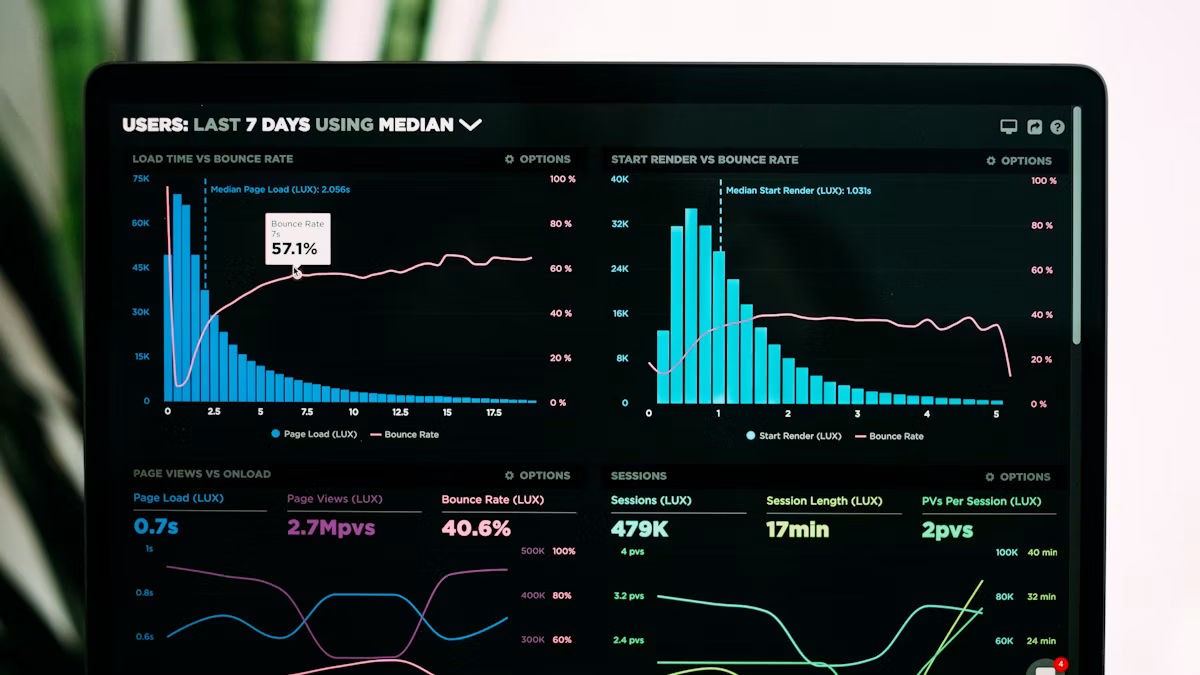
E-posta tabanlı ve dijital sertifika yönetimi arasındaki temel mimari fark, dijital yönetimin PDF'yi alım anında yapılandırılmış veriye dönüştürmesidir. Bir MTC geldiği anda (format, dil veya kaynak fark etmeksizin) bir yapay zeka çıkarım katmanı belgeyi okur ve her malzeme alanını çıkarır: kalite, ısı numarası, elemente göre tüm kimya değerleri, mekanik özellikler, sertifika türü, fabrika kimliği ve tarih. Bu yapılandırılmış veri daha sonra şu şekilde kullanılabilir: herhangi bir alana göre aranabilir, spesifikasyon sınırlarına karşı otomatik olarak karşılaştırılabilir, envanter ve sipariş kayıtlarına bağlanabilir, teslimat belgelendirmesine otomatik olarak dahil edilebilir ve sertifikanın ne zaman geldiğine bakılmaksızın saniyeler içinde geri getirilebilir.
E-posta yönetimi PDF'yi birincil kayıt olarak tutar ve sertifikaya her ihtiyaç duyulduğunda bilgi çıkarımını yapması için bir insana ihtiyaç duyar. Dijital yönetim çıkarımı alım anında bir kez yapar ve bilginin sonraki tüm kullanımlarını anlık hale getirir.
Benimsemeyi Yönlendiren Üç İş Sonucu
Dijital sertifika yönetimine geçen metal tacirleri, geçişi haklı çıkaran üç iş sonucunu tutarlı bir şekilde bildiriyor:
Sonuç 1: Geliri Artıran Müşteri Hizmeti İyileştirmesi
En görünür anlık sonuç, müşteri sertifika taleplerine saatler yerine saniyeler içinde yanıt verebilme yeteneğidir. Bir müşterinin gelen muayene ekibi saat 15:30'da o sabah gelen bir teslimat için MTC'yi isteyerek arıyor. Eski süreçte bu bir arama tetikler: e-posta geçmişi, paylaşılan sürücü, belki depoya bir telefon. Dijital süreçte yanıt bir sorgu ve indirmedir: "İşte sertifikanın bağlantısı, sipariş geçmişinizden de doğrudan indirebilirsiniz." Görüşme iki dakikada sona erer.
Bu hizmet iyileştirmesi müşteriler tarafından fark edilir. Geri bildirimlerde, yenilenen sözleşme müzakerelerinde ve yeni projeler için hangi tacirlerin teklif isteği listelerine dahil edileceğine dair kararlarda ortaya çıkar. "Sertifikaları her zaman anında ellerinde var" ile "paslanmaz çelik için ilk aradığımız firma onlar" arasındaki bağlantı bir metafor değildir; metal satın alma topluluğunda gerçek bir davranış kalıbıdır.
Sonuç 2: Azalan Hatalar ve Düşük Uygunsuzluk Oranları
Yapay zeka destekli sertifika doğrulaması, manuel incelemenin kaçırdığı hataları yakalar. Spesifikasyon sınırları dışındaki kimya değerleri, EN 10204 tür uyumsuzlukları, eksik zorunlu alanlar, sertifika ile teslimat lotu arasındaki ısı numarası uyumsuzlukları; bunlar malzeme envantere girmeden veya bir müşteriye sevk edilmeden önce, alım anında otomatik olarak işaretlenir.
Manuel doğrulamadan otomatik doğrulamaya geçen tacirler, sertifikayla ilgili aşağı akış anlaşmazlıklarında ve müşteri şikayetlerinde önemli azalmalar bildiriyor. Manuel incelemenin belirli başarısızlık biçimleri (sınıra yakın olduğu belirtilen ancak harekete geçilmeyen kimya değerleri, fark edilmeyen sertifika türü uyumsuzlukları, eksik kalan parça-lot belgelendirmesi) otomatik doğrulama kurallarıyla sistematik olarak ortadan kaldırılır.
Sonuç 3: Personel Zamanını Serbest Bırakan İdari Verimlilik
Otomatik sertifika işlemenin zaman tasarrufu gerçek ve önemlidir. Manuel çıkarım ve doğrulama için sertifika başına 5 ila 8 dakikayla, ayda 500 sertifika işleyen bir ekip sadece sertifika idaresine ayda 40 ila 65 saat harcıyor demektir. Otomatik çıkarım bunu istisnaları incelemek için gereken süreye indirir: iyi ayarlanmış bir sistem için genellikle haftada 20 ila 30 dakika, artı gerçek uygunsuzluklar için vaka bazlı araştırma süresi.
Serbest kalan personel zamanı genel giderlere kaybolmaz; daha yüksek değerli faaliyetlere yönlendirilir. Sertifika işleyen personel artık müşteri eskalasyonlarını daha hızlı ele alıyor, tedarikçi kalite sorunlarını daha kapsamlı araştırıyor ve satışları yeni müşterilere kalite kapasitesini gösteren belgelerle destekliyor.
Dijital Sertifika Yönetimi Çözümlerini Değerlendirmek
Tüm MTC yönetim yazılımları eşdeğer yetenek sunmaz. Bir metal ticareti operasyonu için temel değerlendirme boyutları:
Çeşitli formatlar genelinde çıkarım kalitesi. Fabrika sertifikaları düzinelerce ülkedeki yüzlerce farklı fabrikadan, akla gelebilecek her düzen ve kalite seviyesinde gelir. Çıkarım yeteneği şunları işleyebilmelidir: dijital PDF'ler, farklı kalite seviyelerinde taranmış görüntüler, ekleri olan çok sayfalı sertifikalar, İngilizce dışındaki dillerde sertifikalar, elle not düşülmüş belgeler ve çok nesilli taramalar. Değerlendirme demosunun, seçilmiş temiz örneklerden oluşan bir kütüphane üzerinde değil, sizin gerçek gelen sertifika örnekleriniz üzerinde çalışmasını isteyin.
Spesifikasyon sınırlarına karşı doğrulama. Sistem, çıkarılan kimya ve mekanik değerleri belirtilen kalite için doğru sınırlarla karşılaştırabilmelidir. Bu, kapsamlı, güncel tutulan bir malzeme spesifikasyonları veritabanı gerektirir: ASTM A kaliteleri, EN malzeme standartları, havacılık için AMS standartları, API spesifikasyonları ve diğerleri. Veriyi çıkaran ama sınırlara karşı doğrulayamayan bir sistem, verimlilik kazanımını azaltan manuel bir doğrulama adımı gerektirir.
Parça-lot belgelendirme desteği. Gelen bir ısı lotunun hangi bölümlerinin hangi müşteri siparişlerine tahsis edildiğini takip edebilme ve her tahsisat için ek izlenebilirlik kayıtlarını otomatik olarak oluşturabilme, düzenli olarak lot bölen distribütörler için olmazsa olmazdır.
Müşteriye yönelik teslimat. Sistem, müşterilere proaktif sertifika teslimatını desteklemelidir: ya teslimat bildirimlerine otomatik ekler olarak ya da alıcıların kendi sertifikalarına manuel talep olmadan erişebildiği bir müşteri portalı aracılığıyla.
Geçmiş arşiv ve erişim. Aranabilir arşiv, canlıya geçişten önceki geçmiş sertifikaları kapsamalıdır (bu da geçmiş sertifika arşivlerinin toplu olarak yüklenmesini desteklemek anlamına gelir) ve en azından ısı numarasına, kaliteye, müşteriye ve tarih aralığına göre erişimi desteklemelidir.
Mevcut sistemlerle entegrasyon. Mevcut ERP veya envanter yönetim sistemlerine sahip distribütörler için, entegrasyon yeteneği (API veya veri dışa aktarımı yoluyla) sertifika doğrulama kayıtlarının ve lot izlenebilirlik verilerinin çift giriş olmadan aşağı akış sistemlerine akmasını sağlar.
Uygulama: Büyük Çaplı Bir BT Projesi Olmadan Oraya Nasıl Ulaşılır
Ticaret operasyonlarında dijital dönüşüme yönelik yaygın bir itiraz uygulama riskidir: "Aylar süren bir ERP tarzı proje için operasyonları aksatmayı göze alamayız." Sertifika yönetimi özelinde iyi haber, modern bulut tabanlı MTC sistemlerinin aylar süren uygulamalar için değil, hızlı dağıtım için tasarlanmış olmasıdır.
Aksaklığı en aza indiren pratik bir geçiş sırası:
1-2. Hafta: Toplu geçmiş yükleme. Mevcut sertifika arşivlerini (e-posta ekleri, paylaşılan sürücü klasörleri, hangi formda varsalar) yeni sisteme yükleyin. Yapay zeka çıkarım katmanı geçmiş sertifikaları işler ve aranabilir arşivi oluşturur. Bu, mevcut iş akışlarında herhangi bir değişiklik gerektirmez; eklemelidir.
3–4. Hafta: Paralel işletim. Yeni gelen sertifikalar hem eski süreçten (e-posta, klasör dosyalama) hem de yeni sistemden geçer. Ekip, eskisini terk etmeden yeni süreç konusunda aşinalık kazanır. İstisnalar ve uç durumlar kontrollü bir şekilde tespit edilir.
2. Ay: Birincil iş akışı geçişi. Yeni sistem, gelen sertifika işleme ve erişim için birincil iş akışı haline gelir. E-posta-ve-klasör süreci yedek olarak korunur ancak artık operasyonel birincil değildir.
3. Aydan itibaren: Müşteriye yönelik yetenek. Proaktif sertifika teslimatı ve müşteri portalı erişimi etkinleştirilir. Müşteri iletişimi yeni teslimat sürecine atıf yapacak şekilde güncellenir.
TestCert Bu Geçişi Nasıl Sağlıyor
TestCert, bu geçişi yapan metal ticareti ve distribütörlük operasyonları için özel olarak tasarlanmıştır. Platform bulut tabanlıdır ve aylar içinde değil günler içinde devreye alınır. Geçmiş sertifika arşivleri ilk haftadan itibaren toplu olarak yüklenebilir ve aranabilir arşive anında geçmiş derinlik kazandırır. Yapay zeka çıkarım motoru, şablon yapılandırması olmadan küresel fabrika sertifikası formatlarının tüm çeşitliliğini işler. Doğrulama kuralları ASTM, EN, AMS ve API spesifikasyonlarını kapsar. Parça-lot belgelendirmesi ve ek izlenebilirlik kayıtları otomatik olarak oluşturulur. Müşteriye yönelik sertifika teslimatı e-posta eki veya doğrudan portal erişimi yoluyla çalışır.
E-posta gelen kutusu modeliyle yaşamış ve sınırlarını bilen ticaret operasyonları için TestCert, mantıklı bir sonraki adımdır. Bu geçiş bir teknoloji projesi değildir; ilk çeyrek içinde müşteri hizmeti iyileştirmesi, hata azaltımı ve personel verimliliği olarak geri dönen bir süreç yükseltmesidir.
TestCert'i metal ticareti operasyonları için görmek üzere bir demo rezerve edin: testcert.io.